WORLD ALZHEIMER'S MONTH 2026 -A diagnosis matters. What happens next matters just as much.

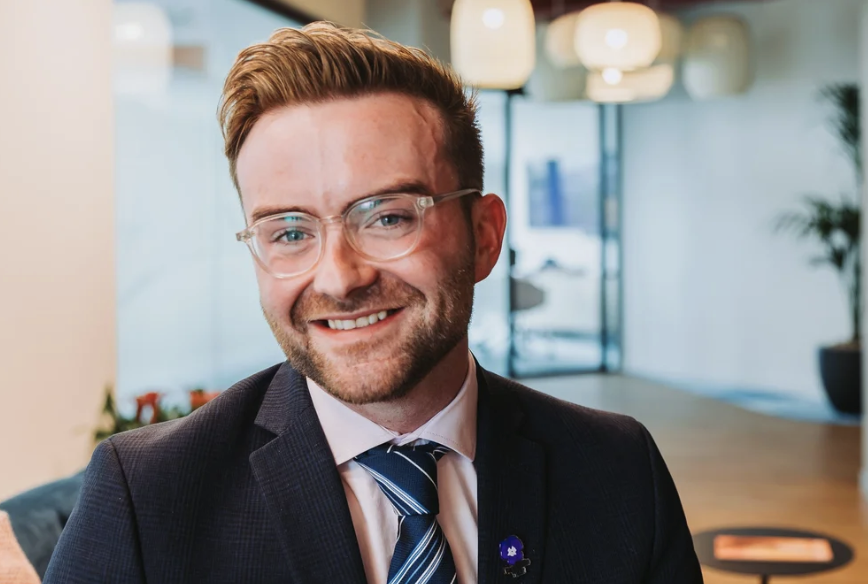
This World Alzheimer's Month, Dylan Harper reflects on why an earlier diagnosis can open the door to treatment, support and choice, and why nobody should be left to work out what comes next on their own
Some conversations are easy to put off. We notice a change in someone we love. A little confusion. A familiar task becoming difficult. A change in behaviour, language or confidence. We tell ourselves it might be stress, tiredness or simply part of getting older. We decide to wait and see. There is always another possible explanation, sometimes there will be – but if something has changed and it is not going away, it matters enough to ask. September marks World Alzheimer's Month. It is a global campaign, but the issue is intensely personal. It asks all of us to talk more openly about dementia, challenge the stigma around it and make it easier for people to seek help. This year's message is simple.
The earlier you know, the more you can do. A dementia diagnosis matters.
World Alzheimer's Month carries the name of Alzheimer's disease, the most common cause of dementia. However the conversation cannot begin and end with Alzheimer's. Dementia is an umbrella term covering many different conditions, and The Dementia Trust is here for people affected by all forms of dementia - that matters to me. My grandfather lives with frontotemporal dementia. It is one reason I care so deeply about earlier understanding, better support and keeping the person at the centre of every conversation.
Why knowing matters
An earlier diagnosis is not about putting a label on someone. It is about giving them the best possible opportunity to understand what is happening and decide what they want to do next. Changes in memory, behaviour or thinking can have different causes. That is another reason not to guess. A proper assessment can provide clarity. Where the diagnosis is dementia, knowing can unlock treatment, post-diagnostic support, practical advice and local services. It can also give families time to talk, make plans and adjust together.
More time. More voice. More choice.
That does not make a diagnosis easy. It does mean that people can begin from a place of greater understanding rather than being left with a growing list of unanswered questions.
The person still comes first
For our family, dementia has changed many things. It has changed the way my grandfather moves through the world and the way we sometimes need to love him. Some days the route to connection feels less obvious than it once did. No diagnosis should reduce a person to a list of symptoms or assumptions. Their history, humour, preferences and relationships still matter. There can still be laughter, music, comfort and moments of real connection. We may need to listen differently or slow things down, but the person has not stopped mattering. This is why language matters. A diagnosis should help us understand somebody's needs. It should never become an excuse to speak over them, exclude them or decide that they can no longer contribute to choices about their own life.
Diagnosis must be the beginning
One of the risks in making diagnosis central to an awareness campaign is that we treat it as the finish line - it is not. The appointment is only one moment in a much longer story. People need clear information about what happens next. They need support that makes sense in their own life. Families and carers need somewhere to take their questions, including the questions they do not yet know how to ask. A diagnosis can bring relief after a long period of uncertainty. It can also bring fear, grief and anxiety. Nobody should be handed that news and then left to find their own way through a complicated system. Earlier diagnosis creates opportunity only when there is something useful, human and accessible on the other side of it.
Turning understanding into change
The Dementia Trust has spent nearly forty years helping to make things better for people living with dementia and their carers. We do not provide frontline care. Our role is different. From our days pioneering the Dementia Research Development Centre to our current mission where we find, fund and stand behind people with ideas that can improve understanding, practice and everyday life.
We saw that potential when we selected KiM as our 2026 Impact Accelerator Award recipient. The project grew from Kimberley Littlemore's experience of caring for both of her parents while they lived with dementia. KiM takes complex scientific knowledge and turns it into practical, sensory-led understanding that people can actually use. Our support will help move it from a validated, co-produced prototype towards a real-world tool that services can recommend with confidence.
Our Planning Ahead campaign is about acting before a crisis. It encourages families to talk about Power of Attorney while wishes can be clearly expressed. That is not about giving up control. It is about protecting it.
Through our Disruption Awards, we also back thoughtful ideas that challenge old assumptions and make life better in practical, human ways. These projects may start small, but a better conversation, a creative experience or a place where somebody feels understood can change a day, a relationship and sometimes much more.
The work is different, but the principle is the same. Good information should lead to better choices. Good ideas should be given the chance to prove themselves. People living with dementia and their carers should help shape what is created for them.
What we can each do
None of us needs to be a dementia specialist to do something useful this month.
· Pay attention when a change persists and approach it with kindness rather than judgement.
· Start a gentle conversation and listen properly to the answer.
· Encourage professional advice rather than trying to diagnose the cause yourself.
· Ask what post-diagnostic support is available for the person and those who care for them.
· Make planning ahead a normal part of adult life, including conversations about wishes and Power of Attorney.
· Keep including the person. Speak with them, not simply about them.
If you are in Scotland and worried about dementia, NHS inform provides guidance on the next steps. You can also call Alzheimer Scotland's free 24-hour Dementia Helpline on 0808 808 3000. Elsewhere, your GP or local dementia organisation can help you find the right support.
Awareness should lead somewhere
World Alzheimer's Month gives us a reason to talk, but talking is only the start. Awareness should lead to a GP appointment, a support call, a family conversation or a plan made before it becomes urgent. It should challenge the stigma that makes people fearful of seeking a diagnosis and the assumptions that can make life smaller afterwards.
At The Dementia Trust, we will keep backing ideas that turn understanding into meaningful change. If this article speaks to you, please share it. Start a conversation. Use trusted information. If you are able to, support our work so that more good ideas can become real. Every conversation matters. Every earlier decision matters. Every idea we can help become real matters.
The earlier we understand, the more we can do. Not because every answer becomes easy, but because people have more time, more voice and more choice.