
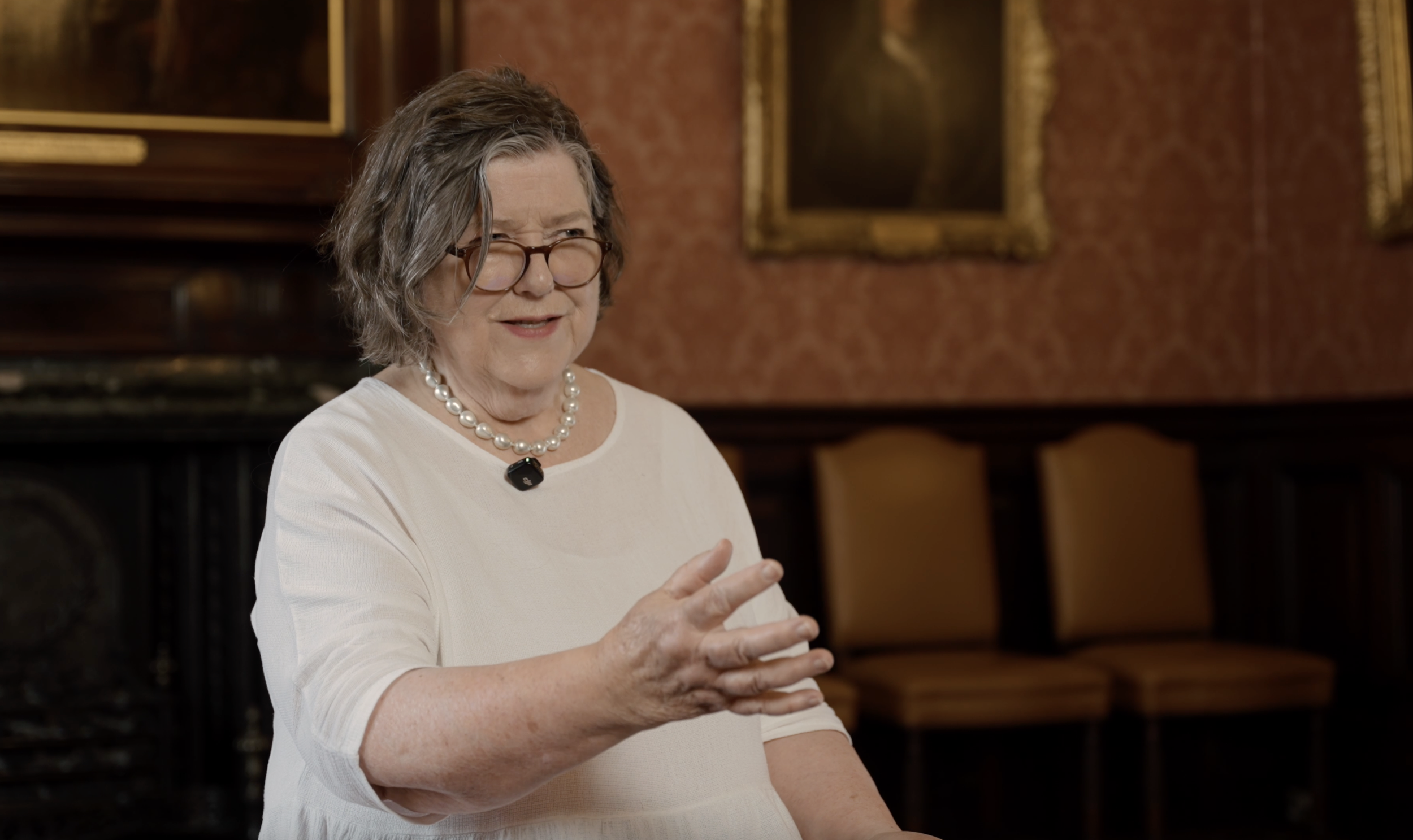
Professor June Andrews, OBE, joins the discussion on the Supreme Court decision
While I am grateful for Sandra McDonald’s explanation of the Supreme Court decision, I’m wondering how this is all going to work in the real world.
There are two issues. Is it confinement, and can this person consent?
In respect of the first, whether the arrangements amount to confinement is not the issue about which I am worried.
I have spent enough time devising ways of keeping cognitively impaired people out of danger using the least restrictive measure to know that it’s hard and ethically difficult work. On the one hand you want to give as much freedom and dignity as possible, but on the other hand it’s deeply disturbing if someone becomes lost and is found injured or dead. And it is expensive and time consuming for the statutory authorities to have to search for them and investigate adverse incidents. Emotionally devastating for the family and/or care home that was caring for them. So we rejoice at clever tracking devices that give the impression of freedom at one end of the spectrum and at the other end we frown at front doors of care homes that are locked to everyone except staff. And a spouse who might lock their partner in the house while they go out for a few hours knows they might get into trouble. I know what confinement is and I teach ways of keeping people safe that can be tried that are short of locking them up. And it’s clear that these methods don’t always succeed in keeping them safe. There’s a whole communications piece around allowing cognitively impaired people to live with a bit of risk. But if you oversee them either as a care business or a family member, it is a risky business letting them live with risk. Because you might get it wrong, one way or the other. And those of us who work in this area understand that we’ll get into hot water if it goes wrong. But we live with this.
In respect of the second, it seems we have now been advised that a person lacking capacity may understand enough about their living arrangements to communicate that they do not accept them. Where there is serious doubt, consent should not be inferred.
I don’t know if any of the judges have ever been a family member of someone with dementia who needs to go to a care home.
In my experience, the need to go there comes when the unpaid, informal or family carers (however you describe them) are on their knees from accidents and incidents, sleepless nights, the person going missing, demands for care and attention that can’t be met even with superhuman efforts. It’s not a lifestyle choice. If you’ve ever been involved in a transfer of care into a care home, you’ll know that you’re often asked not to visit for a few days, or a week, because the piteous pleas to be taken home will break your heart. Already feeling guilty as if you’ve failed to care for them, you now feel doubly so because they’re railing against you, as if you are their enemy. It is no wonder the staff recommend you stay away. So, when you go back and the person is what the staff call “settled” you now have to wonder if what you are seeing is a person whose spirit has been broken by institutionalisation. Are we now saying that their liberty has been robbed in a way that breaks the law?
If this judgement says that they should be freed from this care setting because they have not consented, it’s an amazing jump off point for discussion about rights, responsibilities and duties. This liberty looks like it is being asserted without adequate regard for the systems and people required to sustain it. Whose freedom are we protecting and who is paying for it? The family are at the end of their tether with no legal requirement to take up that caring role again in the community. The care home is at risk of being accused of depriving the resident of their liberty so must let them go. Where are they going to go and who is going to look after them?
In general, there are now not enough people in the UK to look after the increasing number of frail older people. This problem will increase here, and it will continue to increase as a problem world-wide. Developed countries’ governments lack the human resources or funding make statutory provision for such care, even while we strip the intellectual resources of developing countries in the form of their doctors and nurses, and exploit their physical workforce to make up the low paid, low esteemed, direct care workforce from those less economically developed countries. In some parts of the UK it’s reliably reported that modern slavery involving gang masters is also entering the picture to keep our care homes working.
Dealing with this population issue requires difficult solutions and we can’t offer to deliver these human rights as if they don’t cause risk to others. If the care home solution is being disrupted by legal arguments that give rights to people who need care without reference to how we can afford to deliver those rights, it’s complete madness. It creates a burden that because it prioritises the rights of those who are close to the end of life, and places potentially intolerable duties everyone else, fuels the machine that is driving us toward legalising euthanasia as a release valve from the pressure building in our society.
