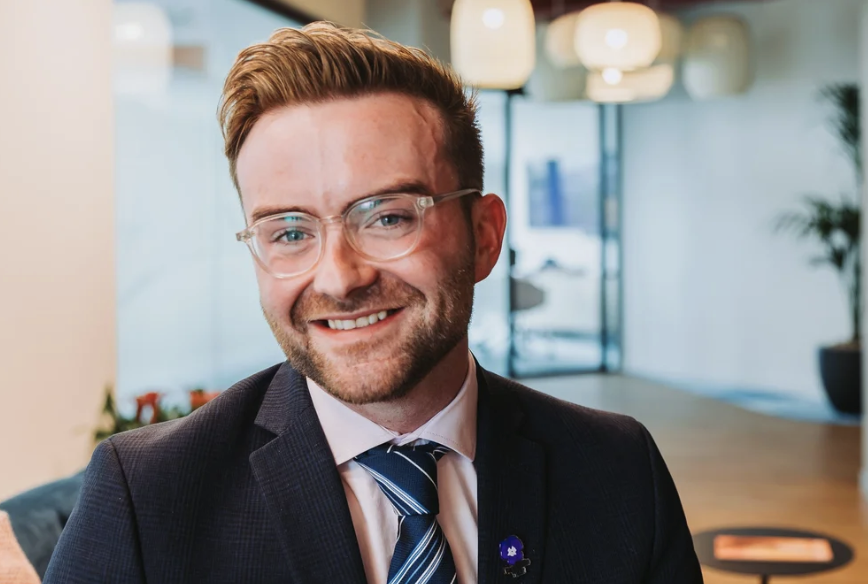
One Year On: Reflections from My First Year as Chair
There’s something about marking a year that invites reflection.
Twelve months ago, I stepped into the role of Chair of the Dementia Trust. I understood the responsibility. I believed in the mission. But I don’t think you ever fully grasp what something will mean until you’re living it. A year on, what stays with me most isn’t a single meeting, decision or milestone - it’s the people and the moments.
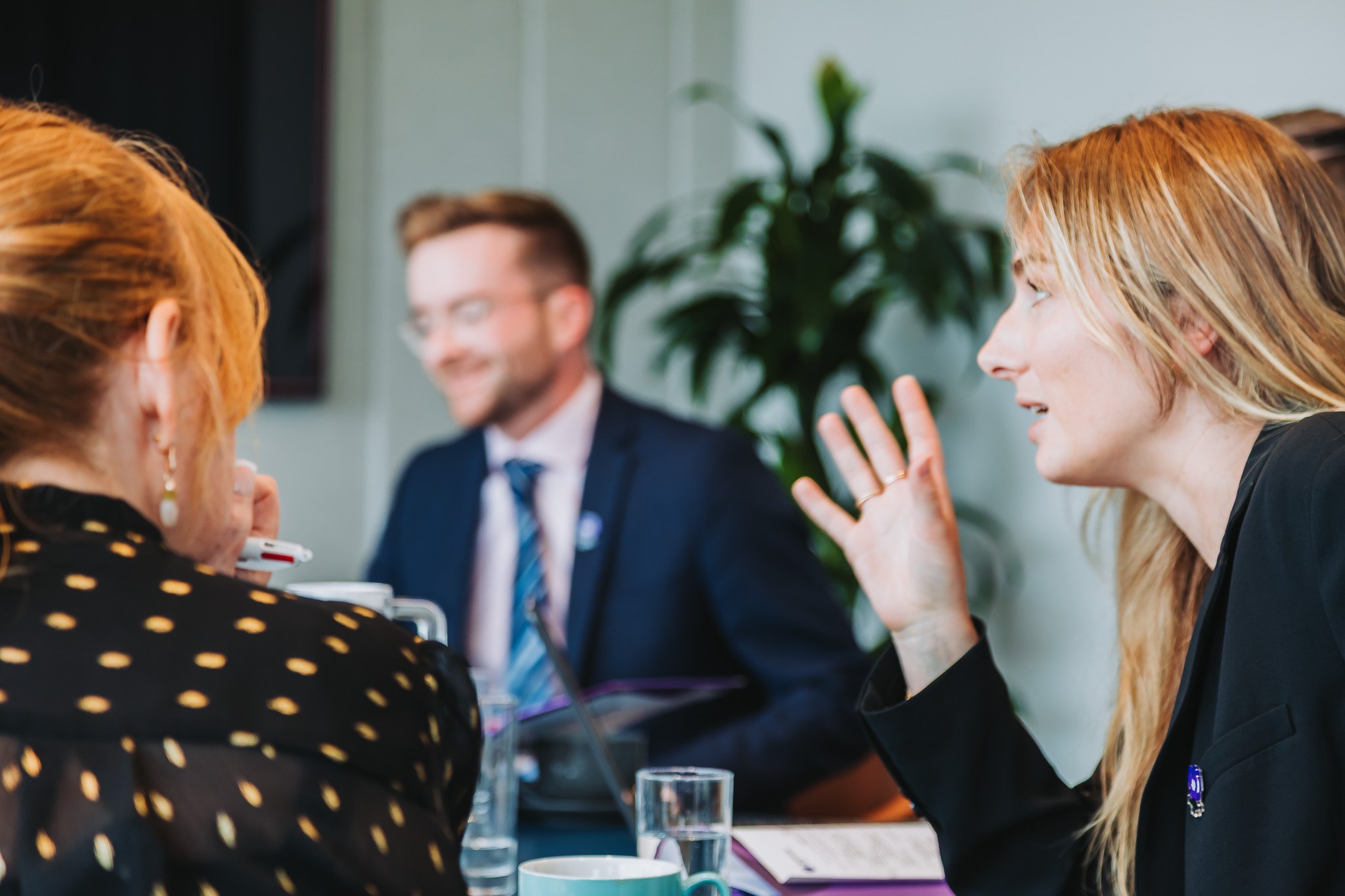
Dementia is often spoken about in broad terms; numbers, trends and systems. But the reality is always personal - it lives in families, in relationships and in the quiet adjustments people make every day. It reshapes how we connect, how we communicate and how we understand one another.
My own experience of dementia has made that impossible to ignore. My grandfather is still with us, living at home. Dementia has changed parts of his world - how he moves, how he behaves - but not the essence of who he is. And that, I think, is something we don’t talk about enough. Dementia doesn’t simply take away. It changes the way we need to reach one another.
Over the past year, I’ve had the privilege of seeing how the Dementia Trust plays a role in that. We are not a frontline care provider, we don’t deliver services directly but what we do is quietly powerful. We fund ideas - ideas that help people reconnect. Ideas that create moments of joy, dignity, and expression. Ideas that challenge how dementia is understood and experienced. From music and movement to community-led initiatives, the projects we support are united by one thing - they recognise the humanity that remains.
Not long after I joined I was fortunate to attend a tea dance led by the Scottish Chamber Orchestra - one of the organisations supported through our Disruption Awards. It was a simple concept - music, space, people. But what unfolded wasn’t simple at all. There was movement, laughter and connection. Moments where people who might otherwise feel disconnected were fully present. It was a powerful reminder that innovation in dementia care doesn’t always mean complexity. Sometimes, it means creating the conditions for people to feel like themselves again.
As Chair, I’ve also seen the other side of the Trust - the responsibility to steward it well. We’ve welcomed new trustees, bringing fresh perspective and energy. We’ve continued to strengthen how we operate, how we fund, and how we think about impact. Because if we are serious about changing the conversation around dementia, we need to be just as serious about how we enable that change. But perhaps the biggest reflection I carry from this first year is this:
The Dementia Trust is not just about what we fund. It’s about what we invite others to be part of.
None of this work happens in isolation. It happens because people choose to engage, to support and to care. There are many ways to be part of that:
You might choose to support the Trust financially, helping us fund the next wave of projects.
You might take on a challenge like the Kiltwalk and raise funds in a way that’s personal to you.
You might host a small gathering - a conversation that raises awareness and brings others in.
You might invite us to speak, to share the work and the possibility.
Or you might consider leaving a legacy that ensures this work continues long into the future.
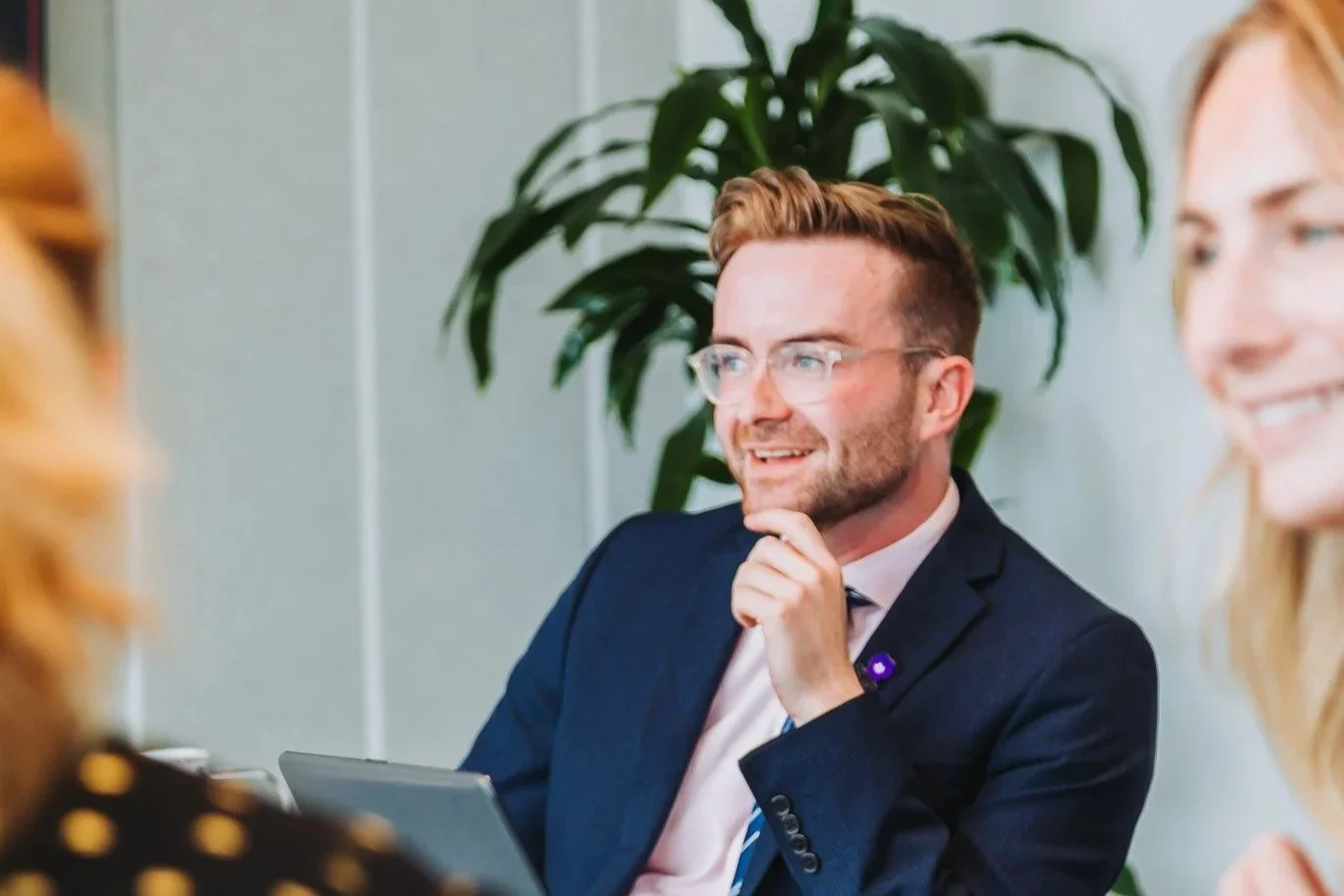
Each of these actions plays a role in something bigger. Because when you spend time around dementia - really spend time - you begin to see what matters most; connection, presence and dignity. The things that make us human don’t disappear despite the condition - but they do require us to respond differently. One year in, I feel a deep sense of responsibility. But more than that, I feel a sense of possibility - because the work of the Dementia Trust is not just about navigating what dementia takes away. It’s about unlocking what still remains - and what could be! And that’s something worth building, together.