What dementia carers have taught me about peer connection
It's Carers Week in the UK, which provides a timely opportunity to recognise the millions of unpaid carers across the country, and the world, who provide support and stability to their loved ones every day.
Research consistently shows us that carers are more likely to experience stress and poorer mental wellbeing than the wider population. So access to peer support and community initiatives is so important to reduce isolation and help carers feel more confident in their role.
We see the impact of that support every day here at the Dementia Trust. What continues to inspire me is that the same message shines through every time, dementia carers need to feel heard, and they need peer connection.
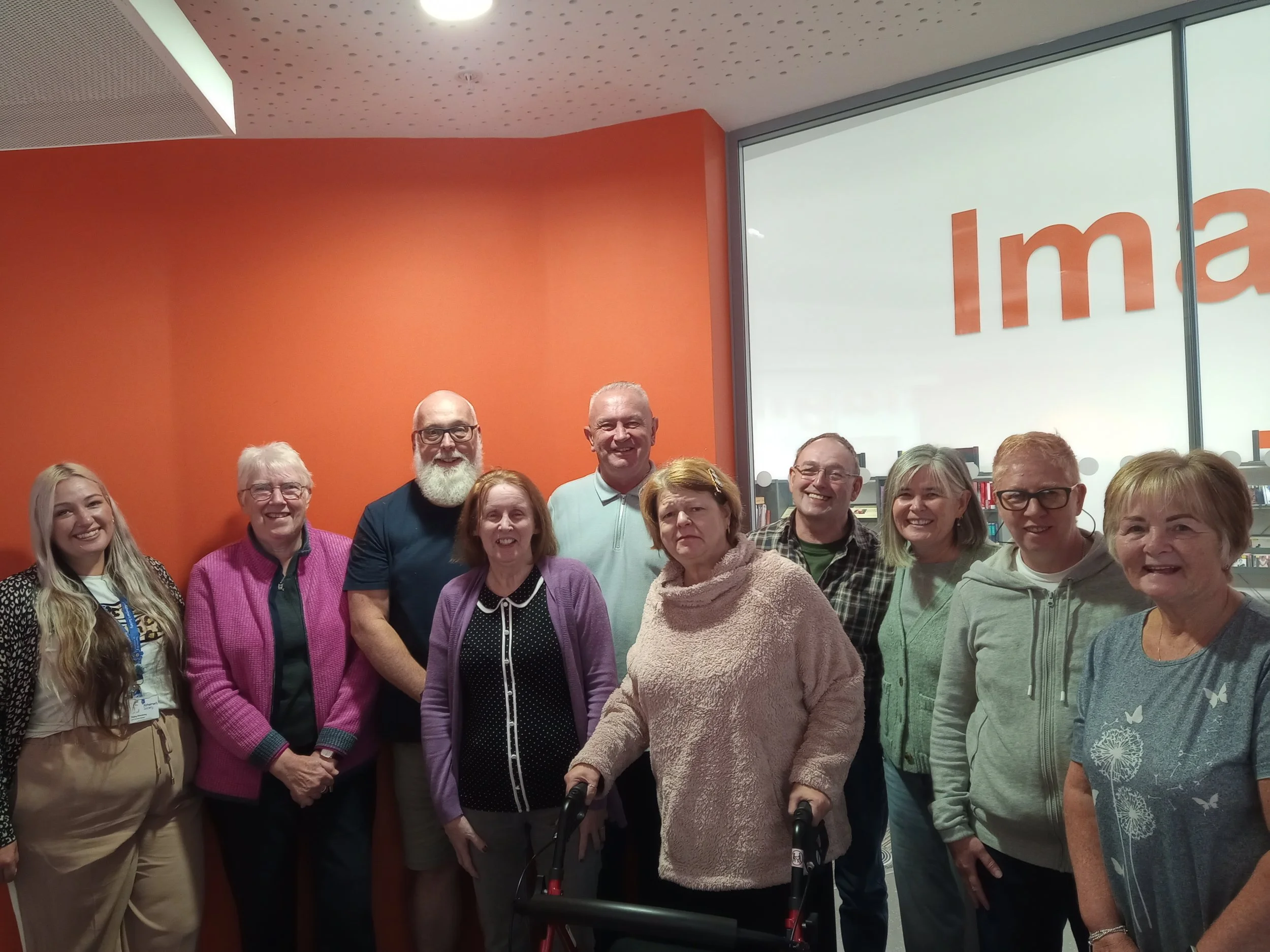
One example is the Young Onset Dementia peer support group in Liverpool, delivered through a partnership between Tide (Together in Dementia Everyday) and Alzheimer's Society. The group was created to support people diagnosed with dementia before the age of 65 and their families, a demographic whose needs can often differ significantly from those associated with later life dementia.
Many attendees are still working or supporting children when dementia enters their lives. Some travel considerable distances to attend these sessions because specialist support for younger families can be difficult to find. The group has become a vital community where carers and people living with dementia can come together and share experiences, while building friendships at the same time.
One participant said:
“I searched everywhere for something that was for people of my age and found this group – I can’t remember how! I felt really excited after the first meeting – you made me so welcome”.
Another said:
"I love the camaraderie. Being with people who understand, so you don't have to explain."
While access to information is important, there is nothing that matches the value in being able to speak to someone who genuinely understands the realities of your situation.
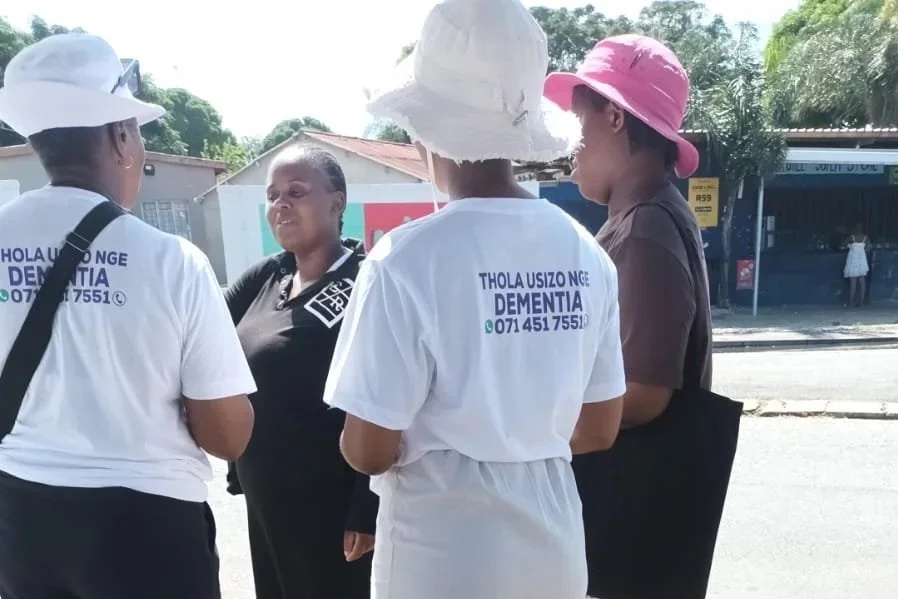
We have seen similar results emerge through our support for the Bessie Makatini Foundation in South Africa.
Founded in memory of Bessie Makatini, whose own dementia journey exposed significant inequalities in access to care, the foundation works across urban, peri-urban and rural communities to ensure that people living with dementia and their carers receive the support they need. Through community radio broadcasts, support groups, educational webinars and local partnerships, the foundation reaches carers across communities where dementia services have traditionally been limited.
Although their setting is entirely different. Carers in South Africa often describe many of the same experiences as those in Liverpool. They value education and support, but mostly they want to feel heard and know they are not alone.
Carers Week provides an opportunity not only to celebrate the extraordinary contribution carers make, but also to recognise that carers themselves need support. As we mark Carers Week, I am reminded that some of the most powerful support does not come from a single service or programme. It can come from a single: "I understand what you're going through."