
Dementia inclusion: It's the everyday things that matter
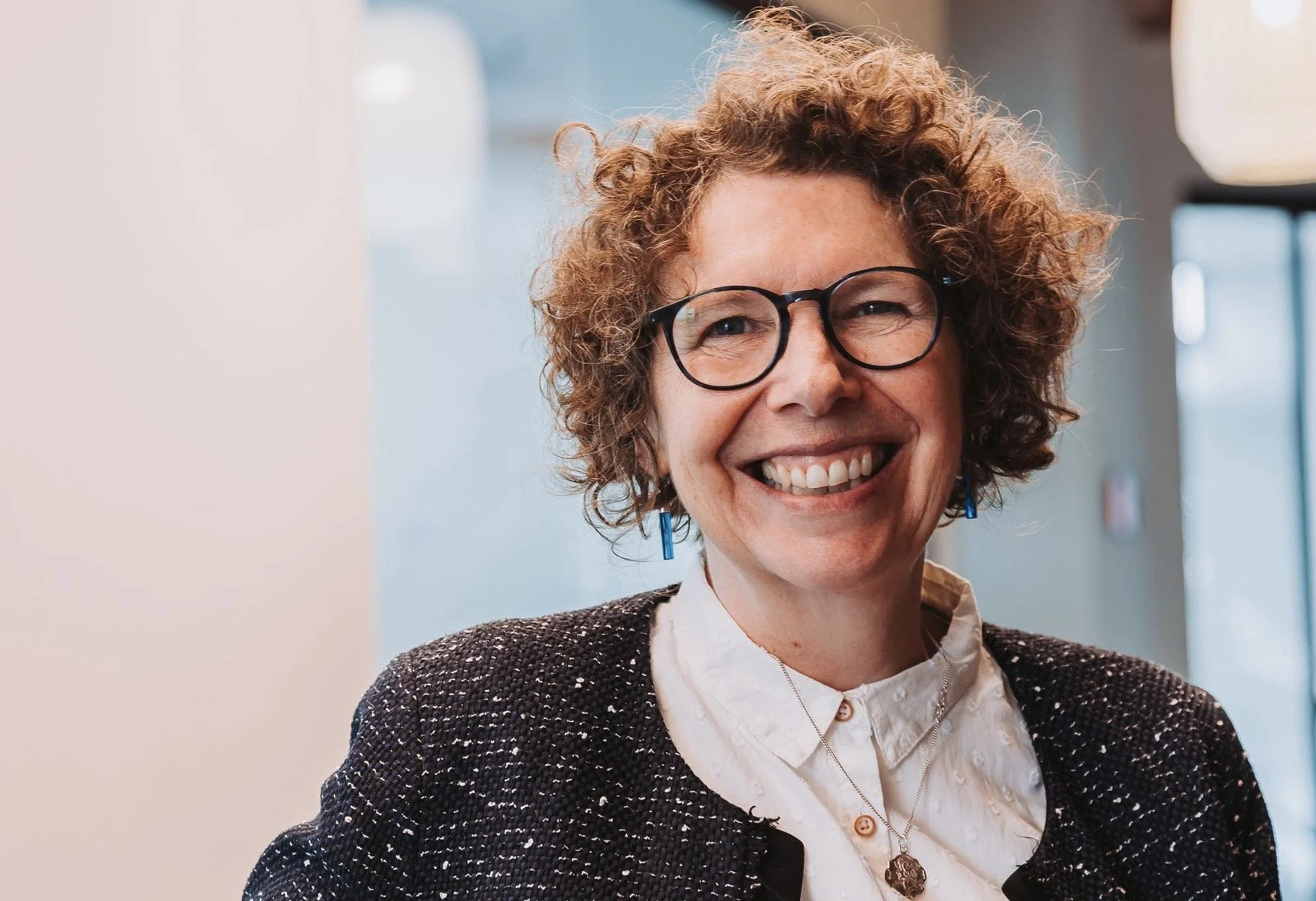
Sonia Mangan, Lead Officer at The Dementia Trust
Research commissioned by Alzheimer’s Society estimated that 982,000 people aged over 65 were living with dementia in the UK in 2024, with younger people living with dementia adding to that number. Behind these figures are people, relationships and the ordinary moments that make life enjoyable, and I often wonder whether we give enough thought to how easily those moments can be lost when someone is living with dementia.
Over many years of working alongside unpaid carers, I have heard countless stories about the challenges of supporting someone they love. Some arise from dementia itself, but others are created by the places, services and communities around them, particularly when there is little understanding of how dementia can affect someone's behaviour or ability to participate in everyday activities.
A familiar pleasure worth preserving
I remember working with a couple whose lives had been changed by dementia. As the condition progressed, changes in behaviour, particularly in public places, made some of the activities they had always enjoyed together increasingly difficult. For many years, they had regularly visited a favourite local venue, where spending time together had become an important and much-loved part of their routine.
Rather than allowing that familiar pleasure to disappear, the people running the venue worked with them both to understand what mattered and find a way for their visits to continue. Instead of deciding that the situation was too difficult or leaving one partner to manage everything alone, they listened, showed flexibility and found a way to make it work.
I have never forgotten that experience because, in many ways, what they offered was a gift to them both. It wasn't a specialist intervention or an elaborate programme, but the opportunity to continue doing something they loved, together, in a place where they were known and welcomed. For me, that experience captures what genuine inclusion can look like when people focus on what is possible rather than the difficulties that might stand in the way.
When everyday life becomes less welcoming
Sadly, I have heard many other stories from unpaid carers whose experiences have been very different, and I am always struck by how easily the ordinary things many of us take for granted can become sources of anxiety or distress. A trip to the shops, a meal out, an appointment or joining an activity that someone has enjoyed for years can become difficult, not necessarily because the person living with dementia can no longer take part, but because the environment or the people around them are not prepared to accommodate their needs.
Someone may need more time, ask the same question repeatedly, become distressed by noise or behave in unexpected ways, while their unpaid carer finds themselves managing not only the immediate situation but also the reactions of those around them. Over time, a few uncomfortable experiences can be enough for people to withdraw from places and activities they once enjoyed, and when someone living with dementia loses those opportunities, their unpaid carer often loses them too.
Throughout my work, I have been struck by how much energy unpaid carers spend simply trying to maintain an ordinary life, often finding themselves explaining, negotiating and making arrangements so that the person they support can remain connected to their community. Yet surely the responsibility for making inclusion happen should be shared more widely by the organisations, businesses and communities around them.
Finding a way, rather than a reason not to
We sometimes talk about dementia inclusion as though it requires specialist knowledge, significant resources or complicated changes, when often it begins with listening, understanding and a willingness to approach things differently.
Of course, there are circumstances that require careful consideration, particularly where someone's behaviour may create difficulties for themselves or others, but recognising those challenges should open up a conversation about what might be possible, rather than automatically bringing an enjoyable activity to an end. Through my work with the Dementia Trust, I am particularly interested in practical ideas that challenge assumptions and help make change happen for people living with dementia and their carers. Sometimes innovation means developing new services, but it can also be about the imagination, kindness and flexibility of people in the places we visit every day.
I wonder what our communities would look like if more organisations took that approach, recognising that small changes in how we welcome, communicate with and respond to people can make an enormous difference to their sense of belonging. Whether we run a business, manage a community organisation, employ someone with caring responsibilities or deliver a public service, we all have opportunities to make everyday life more inclusive.
Support for unpaid carers matters too
While greater understanding within our communities can make an enormous difference, unpaid carers also need to know that there are organisations they can turn to for advice, understanding and practical support. Having worked alongside carers for much of my professional life, I know how valuable it can be to speak with someone who understands the realities of caring, particularly when everyday life is becoming more challenging.
Carers Trust – Find carer services near you helps unpaid carers find local organisations offering information, advice and support.
Dementia Carers Count provides specialist information, practical advice and emotional support for people caring for someone living with dementia, including a free Carer Support Line on 0800 652 1102.
The everyday things matter
When I think back to that couple, I am reminded that inclusion is about much more than being able to access a place or activity. It is about maintaining relationships, enjoying familiar routines and knowing that, despite the changes dementia may bring, there are still places where people feel they belong. Perhaps we could all think about one practical change that our organisation, business or community could make to help people living with dementia and their carers continue enjoying the everyday things that matter to them.
Because sometimes the greatest gift we can offer is simply finding a way to help someone continue doing something they love.