

Anyone else finding themselves wandering around with a torch, trying to locate the dog's poo amongst the autumn leaves, while mentally running through everything they need to do tomorrow, what hasn't been finished at work, what's happening with the family and all the other things competing for space in their head?
As the nights draw in and the days become shorter, even the simplest everyday tasks can seem a little more complicated. Our usual rhythms feel out of step, we spend less time outdoors in daylight, and the darker mornings and evenings can leave us feeling more tired, less motivated or simply a little less like ourselves.
Of course, the dog is blissfully unaware of any of this, enjoying the leaves while we're wondering whether we've remembered everything on tomorrow's list!
But beneath these everyday frustrations, there is something worth thinking about. Most of us carry a considerable amount in our heads, and sometimes it is the accumulation of small things, alongside bigger worries about work, family, health and the future, that leaves us feeling overwhelmed.
For people living with dementia, changes in light and routine can sometimes be particularly unsettling, contributing to confusion, anxiety or disrupted sleep. For unpaid carers, who may already be juggling family life, work and caring responsibilities, and for paid carers supporting people day after day, this time of year can bring additional pressures.
This year's theme for International Stress Awareness Week is "Shaping the Future of Stress and Wellbeing: Rehumanising the Workplace." While the theme focuses on our working lives, its underlying message about the importance of people, relationships and wellbeing reaches far beyond the workplace.
For those working in care, it is a reminder that looking after the wellbeing of the people providing support matters just as much as the quality of the care itself. For unpaid carers, whose caring responsibilities often continue around the clock, and for people living with dementia, the same principles of kindness, understanding and human connection are equally important.
At The Dementia Trust, we believe that bringing people together, sharing experiences and making practical plans can help reduce some of the pressures people experience. Perhaps most importantly, they remind us that we do not have to manage everything alone.
The power of connection
One person who understands this particularly well is Professor June Andrews OBE, an internationally recognised expert in dementia who, alongside her extensive professional work, regularly talks with families about the practical realities of navigating life when someone is living with dementia.
June understands that families do not always need more information or another complicated set of instructions. Sometimes they need someone who understands their situation, who can offer practical suggestions and help them find a way through what can feel like an overwhelming set of challenges.
We are delighted that June will be joining us on Thursday 26 November at The Merchants' Hall in Edinburgh for the first Edinburgh Dementia Connect event, Supporting, Connecting and Celebrating.
Developed in partnership with The Royal Company of Merchants of the City of Edinburgh, Edinburgh Dementia Connect aims to bring together people and organisations with an interest in improving the lives of people living with dementia and their carers.
Our ambition is to create opportunities for people to learn from one another, build relationships and share practical approaches that make a difference. We know that no single organisation or individual has all the answers, but when people come together, new possibilities emerge.
This is also what rehumanising care and support can mean in practice: making time to listen, recognising the pressures people face and creating spaces where experiences can be shared and everyone has something to contribute.
Come and join us at Edinburgh Dementia Connect
On Thursday 26 November, from 10am to 12.30pm at The Merchants' Hall in Edinburgh, we will be bringing people together for our first Supporting, Connecting and Celebrating event, featuring Professor June Andrews OBE.
Whether you are living with dementia, supporting someone you love, working in care or involved in a local community organisation, we would love you to join the conversation.
Come along to hear from June, share experiences, make new connections and explore practical ways we can support one another and make life a little easier for people living with dementia and their carers.
Find out more and register your place:

And if you know someone who might benefit from joining us, please share the invitation with them. Sometimes the first step towards reducing stress is simply finding people who understand.

Taking some of the uncertainty out of the future
Stress is not always about what is happening today. Sometimes it comes from worrying about what might happen tomorrow, particularly when families are uncertain about how future decisions will be made or who will be able to help.
This is one of the reasons The Dementia Trust has developed Planning Ahead, our campaign encouraging people across Scotland to think about the importance of having a Power of Attorney in place.
Building on our successful Edinburgh pilot, we are taking Planning Ahead across Scotland, with a national campaign launch on 20 November and a dedicated Power of Attorney Month in February 2027.
A Power of Attorney allows you to choose someone you trust to make certain decisions on your behalf if you become unable to make those decisions yourself. In Scotland, this can include financial and welfare matters, while in England and Wales similar arrangements are made through Lasting Powers of Attorney (LPAs). Northern Ireland has its own Enduring Power of Attorney arrangements for property and financial affairs.
Whatever part of the UK you live in, the message is much the same: having conversations and planning while you can may help prevent uncertainty, distress and difficult decisions later.
Planning ahead cannot remove every challenge that life brings, but it can offer reassurance to individuals and families, making wishes clearer and helping those closest to us understand how we would want to be supported.
Importantly, it is something for all adults to consider, not only those who are older or already living with a health condition.
Perhaps that is another way of thinking about reducing stress: taking a little time today to make tomorrow less complicated for ourselves and the people we love.
We all need someone alongside us
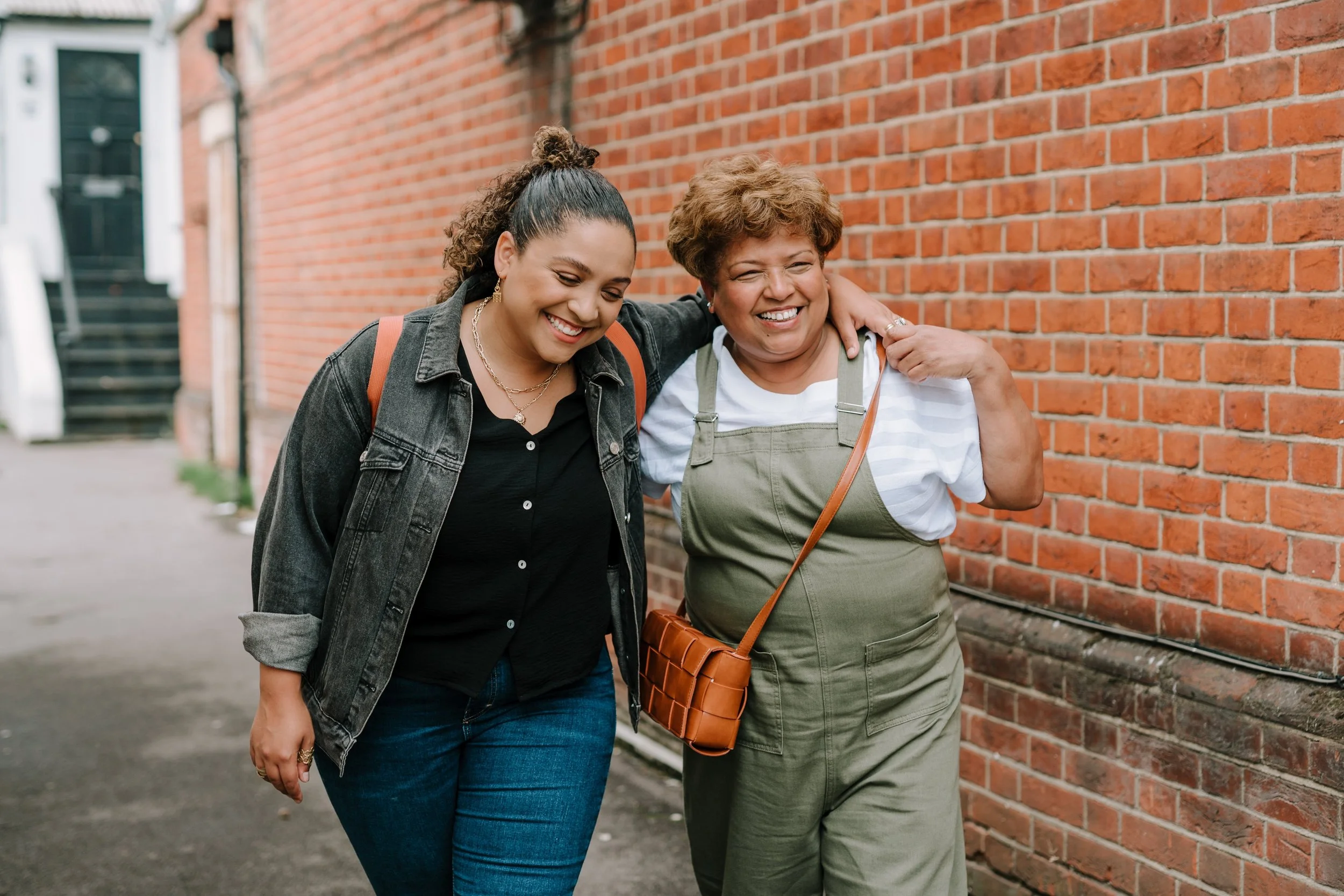
There is no single answer to reducing stress, particularly when someone is navigating the complexities of dementia. But there are things that can help, whether that is having an honest conversation with family, seeking advice from someone with experience, connecting with a local carers' organisation or putting practical arrangements in place for the future.
As we move into the colder, darker months, perhaps Stress Awareness Week is also an opportunity to think about how we look after one another, and ourselves.
For someone living with dementia, that might mean finding ways to maintain familiar routines, enjoying time outdoors when possible or having opportunities to remain connected with their community.
For an unpaid carer, it might mean talking openly about the pressures they are experiencing, finding a local carers' organisation or asking family and friends to share some of the practical responsibilities.
And for paid carers, it means recognising the importance of supportive colleagues, opportunities to share experiences and workplaces that understand the emotional demands of caring.
We also need to remember that caring should not mean carrying every responsibility alone. Asking for help, sharing concerns and taking time for yourself are important ways of looking after your own wellbeing.
At The Dementia Trust, we see the value of people coming together, not only to find solutions but to offer encouragement, reassurance and a sense of belonging. Whether through Edinburgh Dementia Connect, Planning Ahead or the innovative projects we fund, we believe that positive change often starts with people connecting with one another.
So, during Stress Awareness Week, our invitation is simple: reach out, get involved and connect with others. Share what you know, ask for help when you need it and, wherever possible, share the burdens that can feel so much heavier when carried alone.
Because while we cannot remove every source of stress from our lives, we can make sure that fewer people have to face those challenges on their own.