
What could the future of social care mean for people living with dementia?
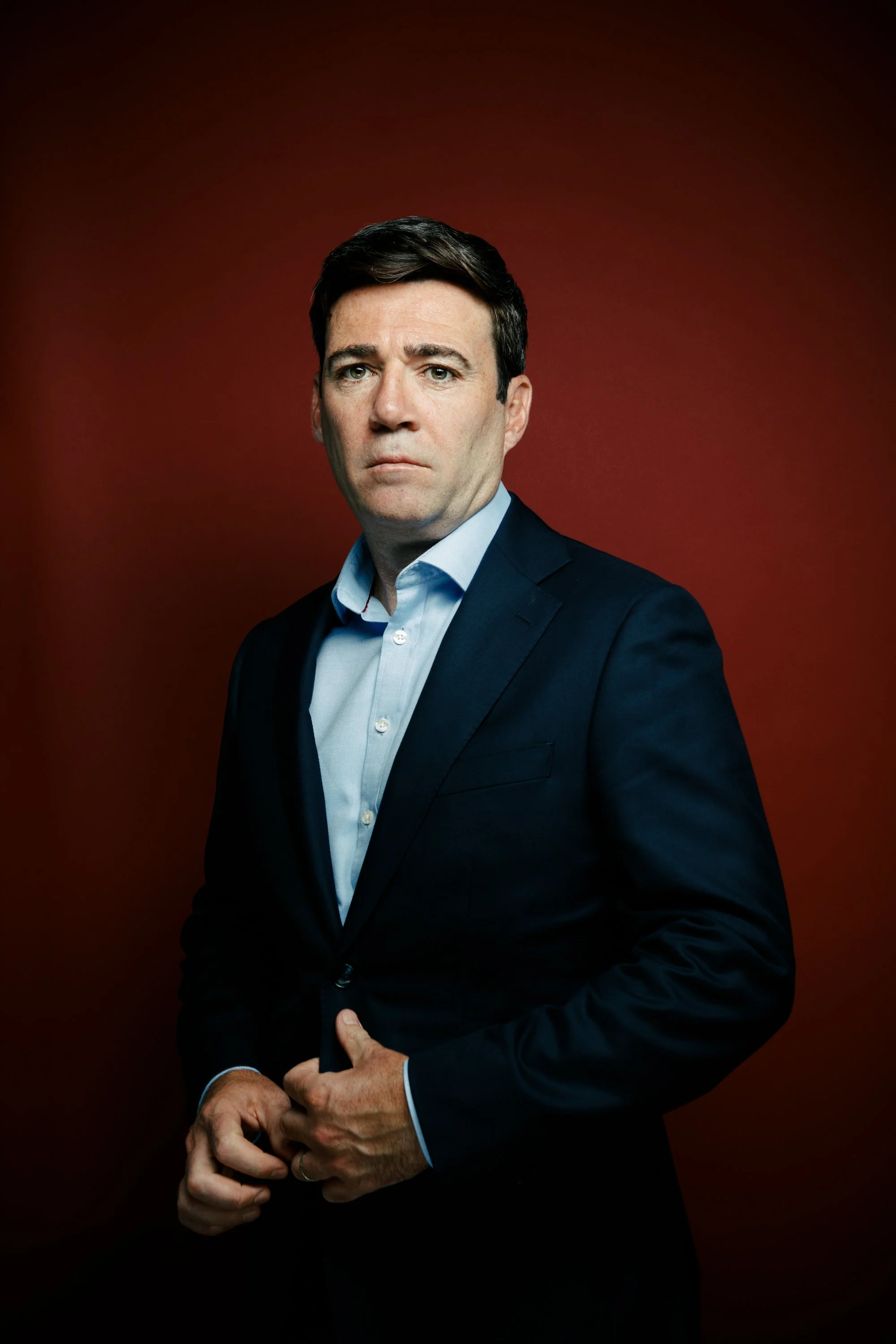
Today, Prime Minister Andy Burnham has announced a £48m partnership to accelerate dementia research and the development of new treatments. The announcement follows his commitment last week to creating a new National Care Service, which put social care firmly in the spotlight.
Almost one in two of us will be impacted by dementia in our lifetime, whether through a diagnosis ourselves or caring for someone we love.
For those people, the central questions in the social care debate are practical. They need to know what will change in their daily lives and will they be able to access the right support at the right time?
The Prime Minister has shared his own experiences, including the care his grandmother, Kitty, received and more recently his father, Roy. His story is not in isolation and serves as a timely reminder of just how much the quality of care can matter to families.
For someone living with dementia, good social care means dignity and choice. It means being able to remain independent for longer and stay connected to the people and places that matter most to them.
The Prime Minister has made clear that he wants paid care workers to be recognised and valued, and we would say the same for the people receiving care. Any changes to the way social care is funded or delivered need to be measured by what they mean for the people relying on those services every day.
Today, he’s stated his intended plan to make dementia research a key national focus with a government investment of £33m.
Andy Burnham said:
“This investment goes hand in hand with our plans for a National Care Service, helping ensure that people living with dementia get the care and support they need, and giving families peace of mind that their loved ones will be cared for.”
Reform of the care system will depend on sustainable funding, and we must distinguish proposals for England from arrangements already in place elsewhere in the UK.
But wherever someone lives shouldn’t impact someone's ability to have a meaningful say in decisions about their own lives.That is why Power of Attorney is a huge focus for us at The Dementia Trust and plays an important part of the wider social care conversation.
Sonia Mangan, Lead Officer at The Dementia Trust said:
“The commitment to a National Care Service, investment in dementia research and the ambition for earlier diagnosis represent three powerful opportunities to make a real difference to the lives of people living with dementia and their carers.
At the Dementia Trust, we wholeheartedly welcome these ambitions and the hope they bring for future generations. However, we must not lose sight of the people living with dementia and their carers today, many of whom continue to navigate significant challenges in their everyday lives.
Our work is about making change happen now, supporting innovative projects developed for and with people living with dementia and their carers, turning good ideas into practical solutions that make a meaningful difference.
We need to hold on to both ambitions: the hope of a better future and the determination to improve lives today. People living with dementia and their carers deserve nothing less.”
Our Planning Ahead campaign in Scotland is encouraging earlier conversations about Power of Attorney, making them part of normal life planning rather than something left until circumstances become urgent.
Planning ahead is not a replacement for good social care or support for unpaid carers. But it is one part of a much bigger picture.
The Prime Minister has set out an ambition for the future of social care in this country. There is still a lot of detail to come, and we will be watching those developments closely and, most importantly, looking at them from the perspective of people living with dementia and those who care for them.
To find out more about the Planning Ahead campaign and sign up, visit: https://dementiatrust.org/planning-ahead