
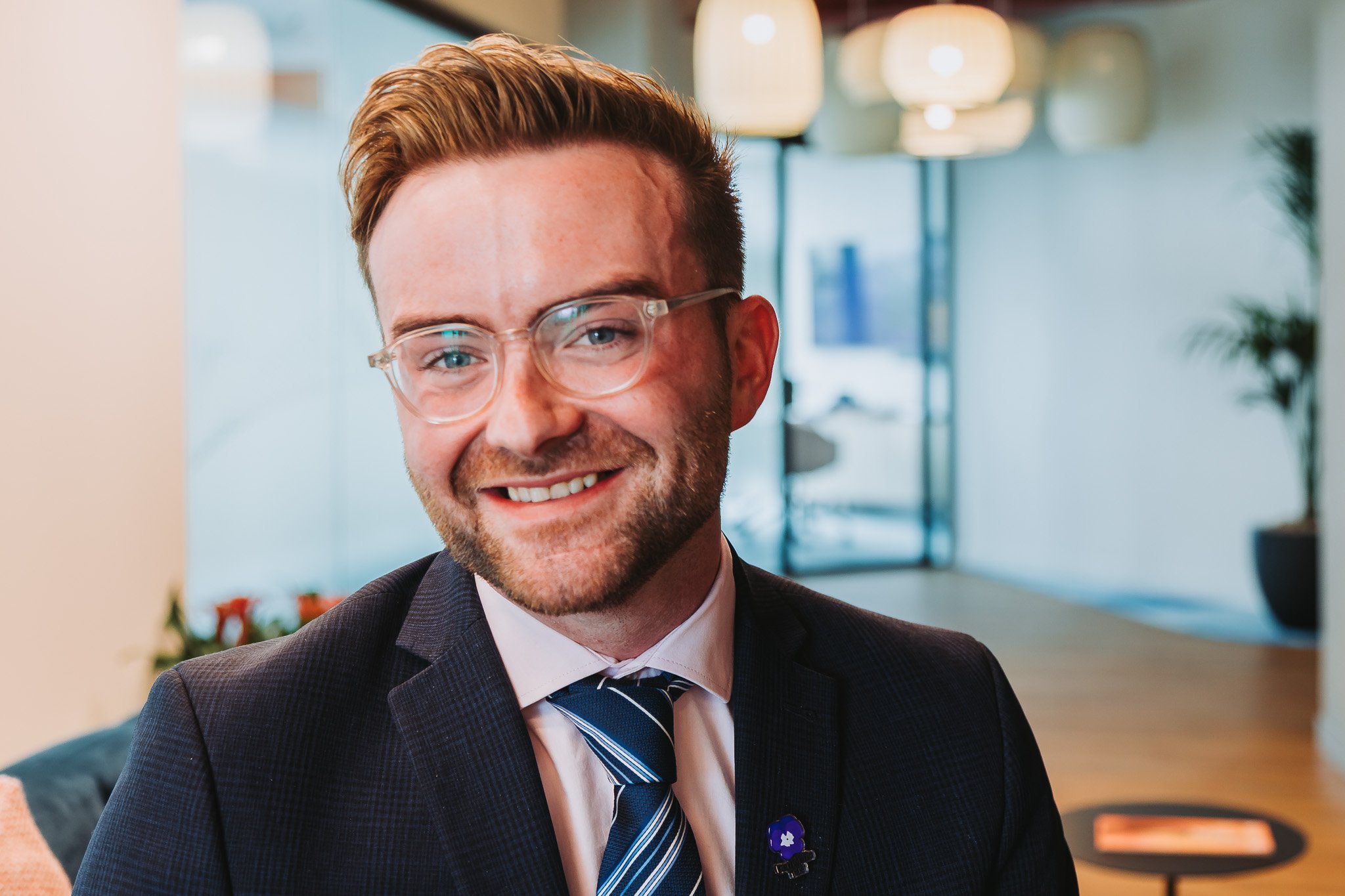
Dylan Harper, Chair at The Dementia Trust
Being Chair of The Dementia Trust is a privilege, and a responsibility I take very seriously. As we bring our Trustees’ Week reflections to a close, I’ve been thinking about what that responsibility asks of us and what we can make possible together.
Dementia affects the person living with a diagnosis, their families, friends and wider communities. What motivates me is knowing that we have an opportunity to make daily life better by supporting ideas, challenging established thinking and helping bring about practical change.
I’m particularly proud of our willingness to support people and projects that might otherwise struggle to find the backing they deserve. A small charity can make a significant contribution when it recognises a good idea and helps people take it forward.
Our Disruption Awards support fresh approaches to the everyday challenges of dementia. Through the Murdoch Grant, we can help community groups put small, practical ideas into action. Our growing Planning Ahead work brings us together with Scotland’s legal sector to encourage earlier conversations about Power of Attorney, before a crisis makes them urgent.
Sometimes, the most important thing we can offer is the confidence to begin. An introduction can lead to a partnership, while a modest amount of funding can give a group the means to get started. I want us to keep recognising that potential, including where it might otherwise be overlooked.

Ann Poulton, Trustee at The Dementia Trust
My fellow trustee Ann Poulton reminds us that “the individual is still there”. In her reflections for Trustees’ Week, she highlights the importance of recognising what brings each person happiness and wellbeing, and adjusting the way we listen and communicate to support them.
Ann also speaks about what meaningful support looks like for carers, including “time out to relax and recharge”. She describes support that allows people to see friends, look after themselves or take a break from caring, whether through peer support, someone to sit with the person they care for, or respite care.
For me, Ann’s reflections show why different perspectives matter around our board. They help us keep people’s everyday experiences in view when deciding which ideas to support.
I think there is sometimes a misunderstanding about what trustees actually contribute. Good governance is essential, and our responsibilities continue between board meetings. We have a duty to protect the charity’s purpose and to be ambitious for its future.
Being a trustee means bringing your experience, networks, judgement and energy to an organisation. It means asking difficult questions when necessary and being prepared to listen, including when the answer challenges your own assumptions. It also means looking for opportunities that might otherwise never reach the charity.
I firmly believe that we should all be active contributors to the organisations we serve. That might mean helping with fundraising, opening doors to new partnerships or providing constructive challenge. Each of us brings different strengths, and trusteeship asks us to put them to use.
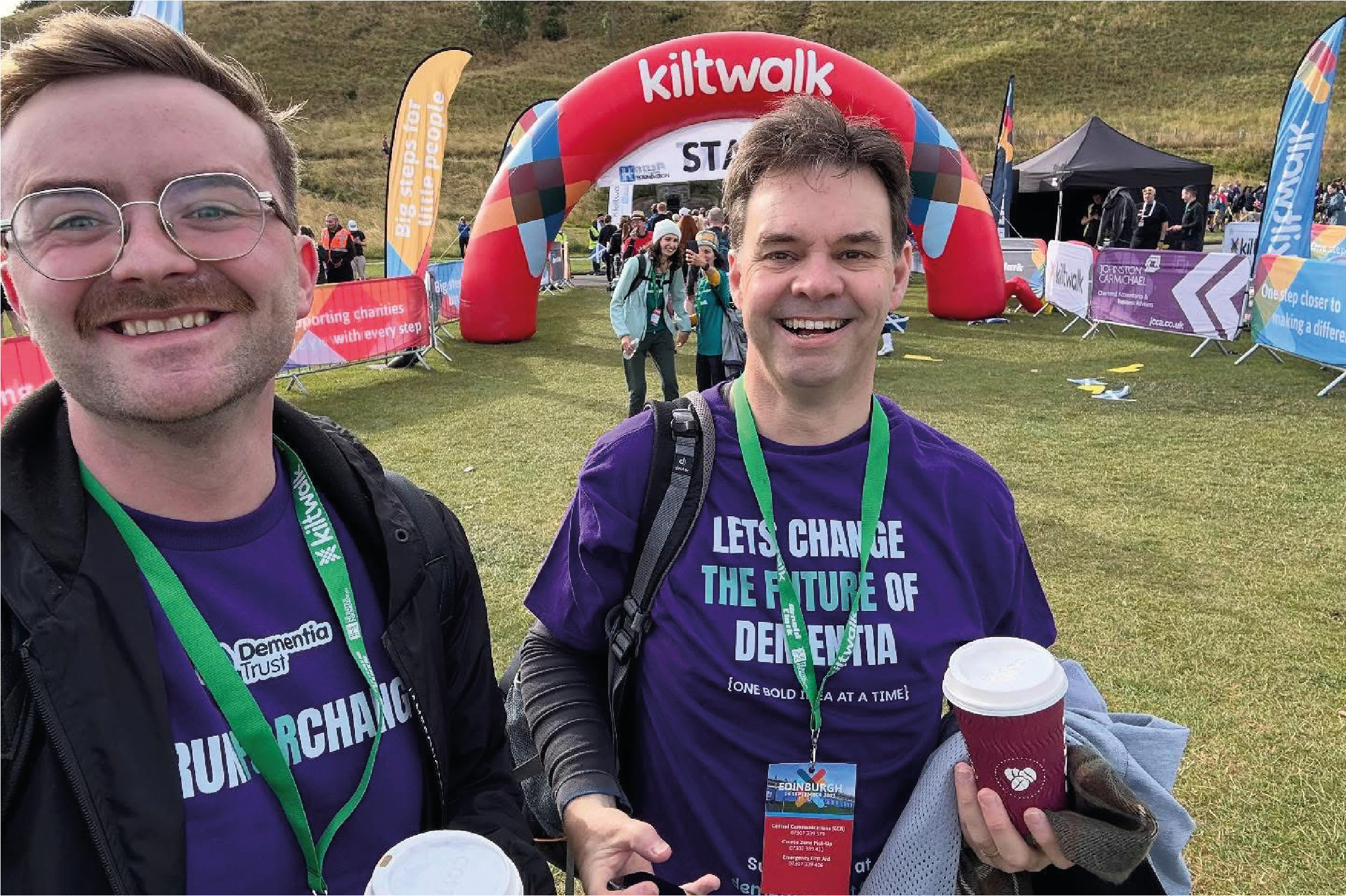
Dylan Harper and Edward Duncan at The Kiltwalk
Looking ahead, I want us to be even more ambitious about the difference we can make. Stronger partnerships and sustainable funding will help us plan with confidence and continue supporting people with ideas worth backing.
We also need to be able to demonstrate the impact of our work. That means understanding what changes for people as a result, learning from the projects we fund and using that knowledge to guide our decisions. I want The Dementia Trust to be recognised for the positive change we help make possible.
I’m fortunate to work alongside trustees and a wider team who bring tremendous commitment, experience and compassion to what we do. Their contribution deserves recognition during Trustees’ Week and throughout the year. To everyone who gives their time, shares their knowledge and helps move our work forward, thank you.
Behind every strategy, funding decision and board discussion are real people and families. We must never lose sight of that. For me, the measure of our success will always be the difference we make to their lives.
I hope you’ll consider being part of the Trust’s work. You can make a donation to help us back more good ideas, or explore our grants and awards if you have a project or activity that could improve life for people affected by dementia. Our website explains eligibility, application dates and how to apply.
You can also sign up to our newsletter at the bottom of our website to follow our work and hear about funding opportunities and other ways to get involved.